
In September 2022, I bought shares of Heijmans NV – a Dutch construction and real estate development company – at €10.44. In February the stock shot up another 30% in just a few days after publication of the Full Years Results of 2025. I sold a few days later on February 18 at a price of €90.60, delivering an incredible 906% total return (approximately 96% CAGR) in just three years! Measured in US dollars the return is even higher: 1073% or 105% CAGR! This is not too far from Nvidia’s 984% return during the same time period.
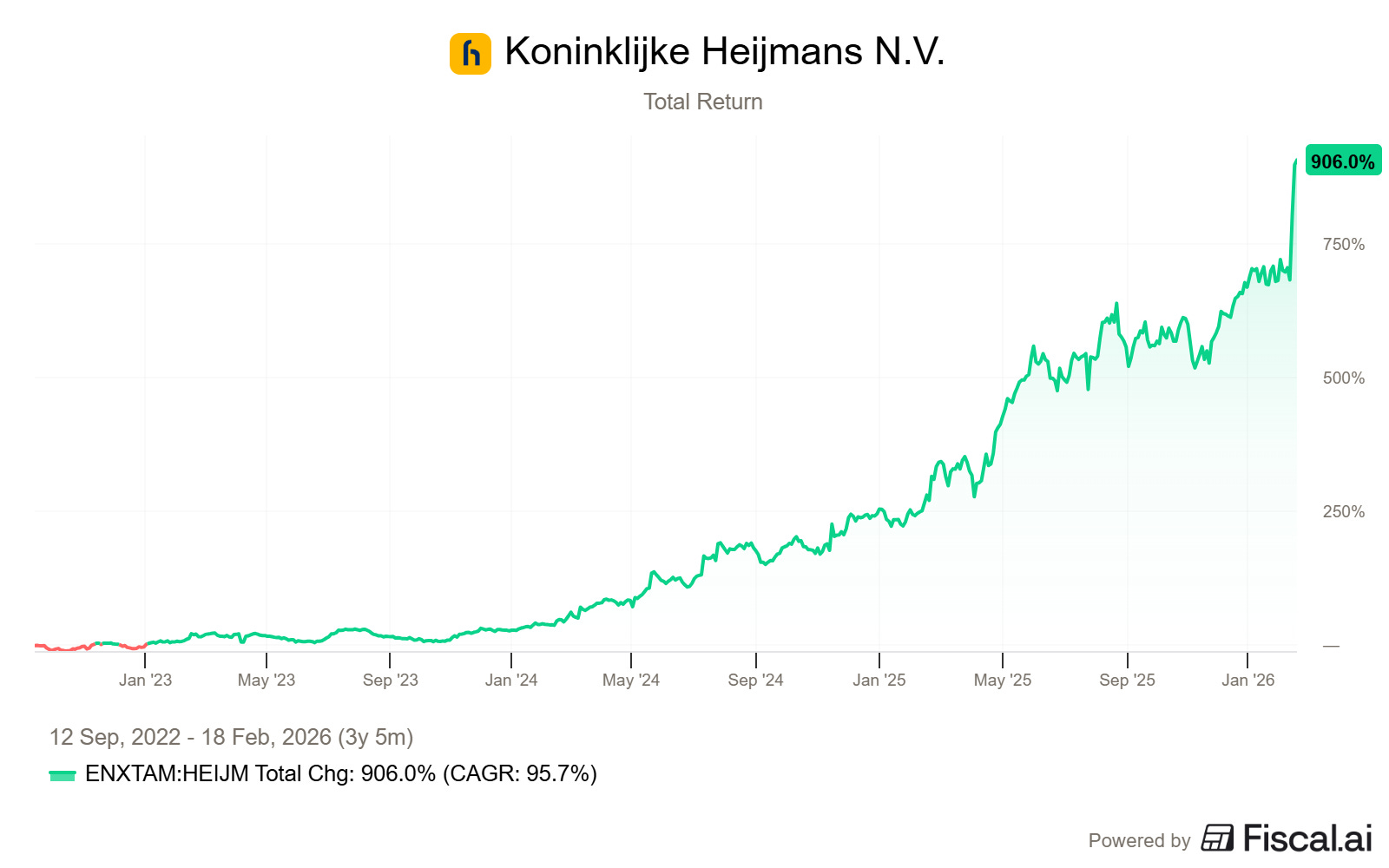
Such a dramatic gain is every deep value investor’s dream. Now, with the stock fully rerated and a large part of the opportunity realized, I’ve decided to sell my shares to lock in profits.
In this article, I’ll explain why Heijmans was so mispriced back then, what has changed since, and why it’s prudent to rebalance after this huge win.
2022: An Extraordinary Deep Value Opportunity
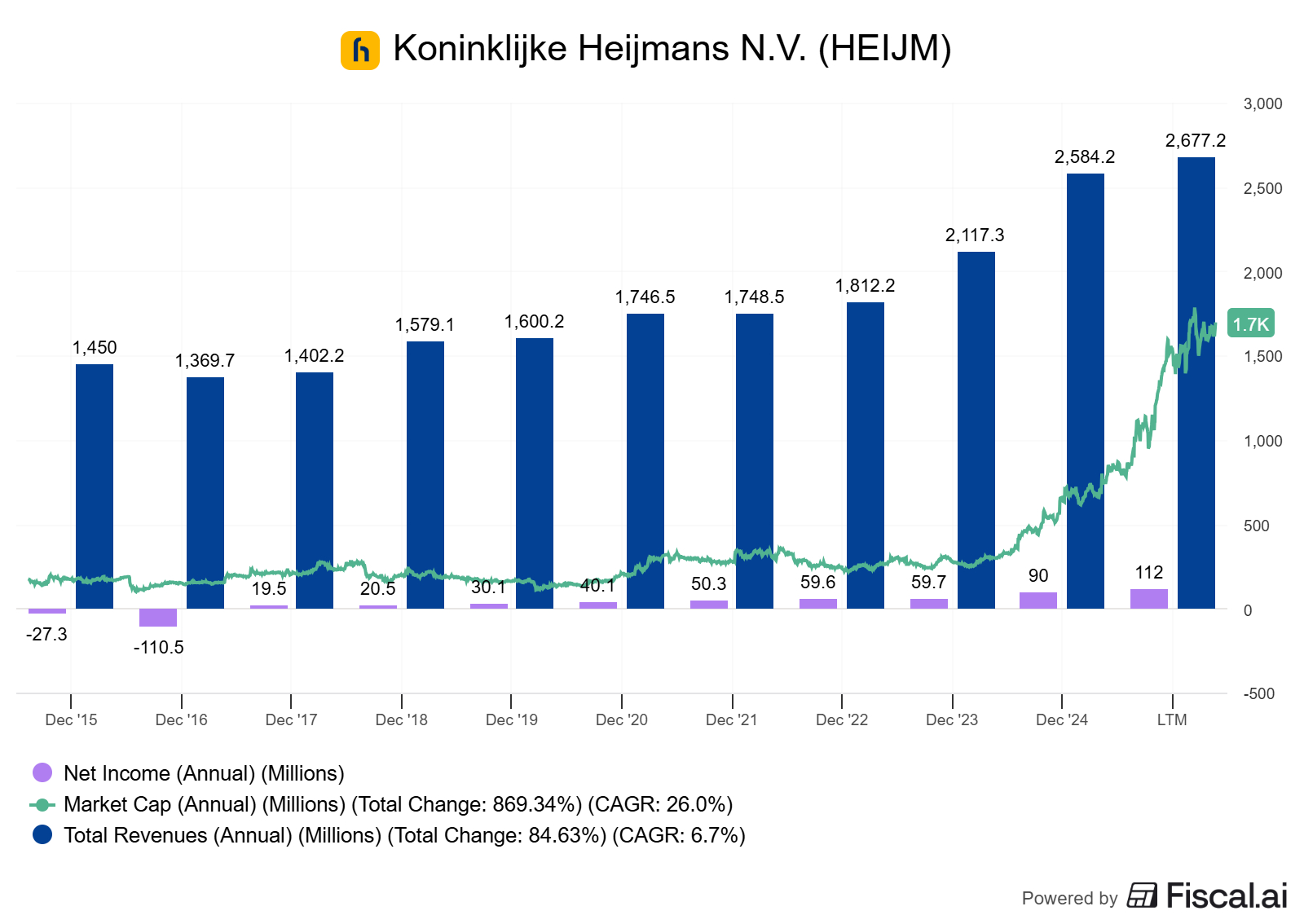
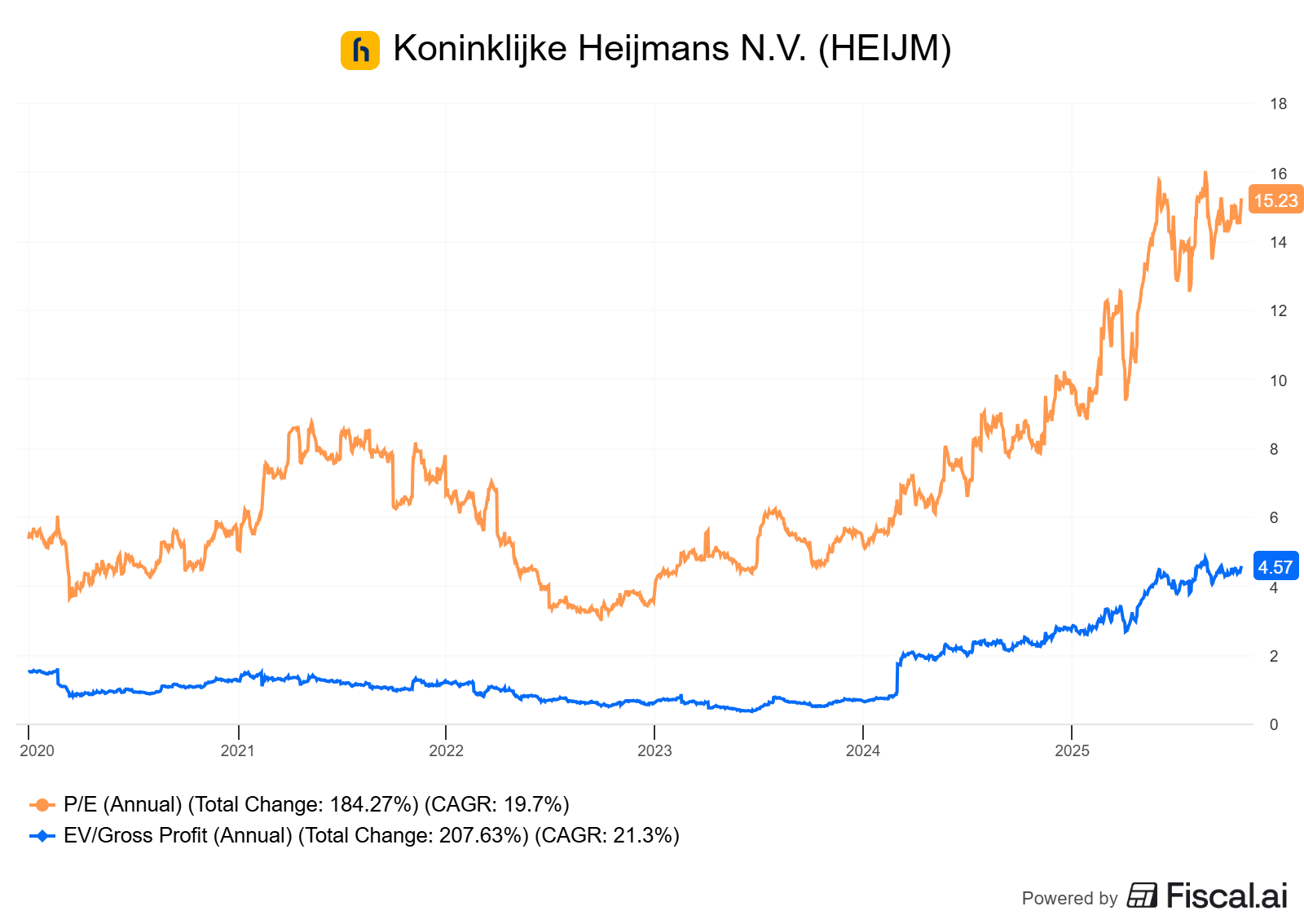
When I initiated the Heijmans position in August 2022, the valuation was absurdly low. The company’s market cap was only about €225 million – less than the €317 million book value of its equity at the time. In other words, Mr. Market was pricing Heijmans at roughly 0.7× book value. Meanwhile, Heijmans had earned around €65 million in net profit over the prior four quarters, putting the P/E at 3.5. A profitable, asset-rich business trading for pennies on the dollar – this was deep value in its purest form.
Why so cheap? In 2022, sentiment toward construction stocks was poor. The sector is cyclical, and the Dutch market faced nitrogen regulation issues, housing policy shifts, and macro headwinds. Rent controls and policy uncertainty scared investors. Add the small-cap status, and Heijmans was simply ignored.
What Changed? From Mispricing to Massive Outperformance
Over the next three years, Heijmans executed superbly. Revenue rose to €2.8 billion in 2025, with EBITDA growing to €183 million (6.7% margin) and net profit hitting €130 million. In just one year the company earned almost 60% of the market cap when I first bought in.
Management emphasized “margin over volume”, and it paid off. In 2025, EBITDA margin rose to 6.6%, approaching their 2027 target. Return on capital employed hit 24%, driven by strong execution and an improved project mix.
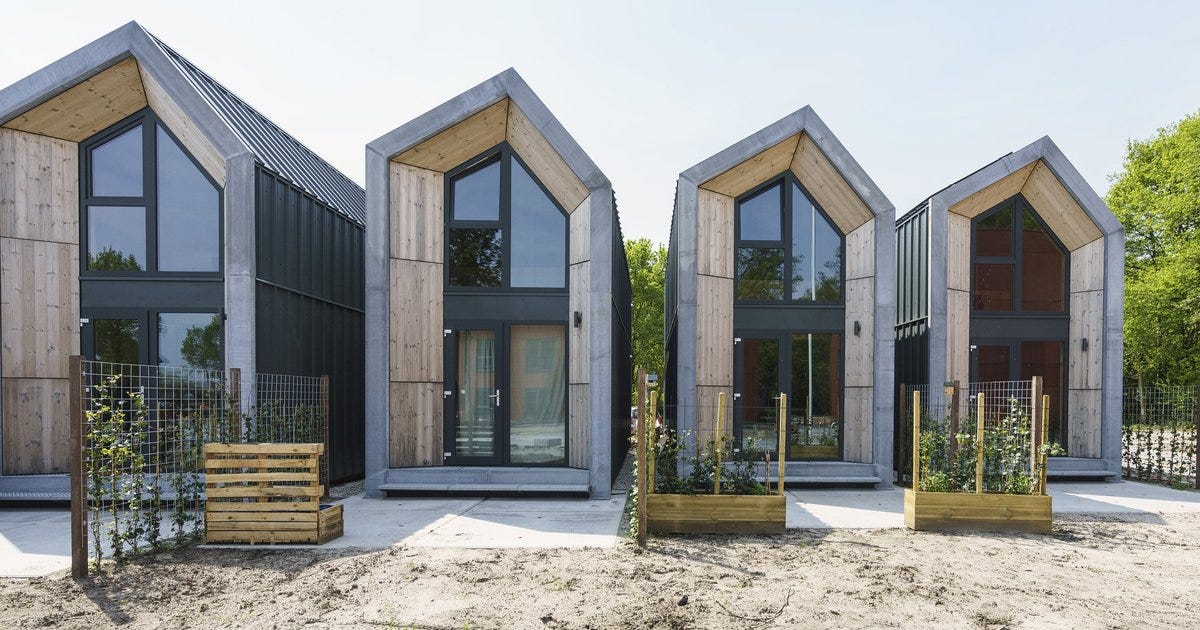
Strategic acquisitions like Van Wanrooij and Van Gisbergen expanded the land bank and added prefab housing capabilities. Heijmans now has a housing pipeline of 37,000 units, offering scale and visibility.
The balance sheet remains robust: net debt is minimal, solvency is healthy, and cash generation supports both dividends and growth initiatives.
Tailwinds: Housing Crisis, Politics, and Modular Construction
The Dutch housing shortage remains one of the country’s biggest challenges. All major political parties acknowledge the urgency of building more affordable homes. Affordable housing was even declared as the central theme of the Dutch elections in October last year.

Heijmans is ideally positioned to deliver. Their focus on modular construction and integrated area development gives them an edge in cost efficiency and execution speed.
The company also stands to benefit from increasing investment in infrastructure, driven by energy transition, mobility, and climate resilience. The order book of approximately €3.0 billion reflects these secular tailwinds.
That said, political uncertainty still looms. Permitting remains slow, and recent cabinet collapses have added noise to housing policy timelines. Some of this optimism may now be priced in.
Time to Rebalance: Locking In Gains
At €90.60, Heijmans no longer traded at distressed multiples. The P/E had increased to 19× trailing earnings and 15× forward earnings. The EV/Gross profit had normalized from 0.6 to 5.5. That’s reasonable for a quality compounder, but the deep value gap had closed.
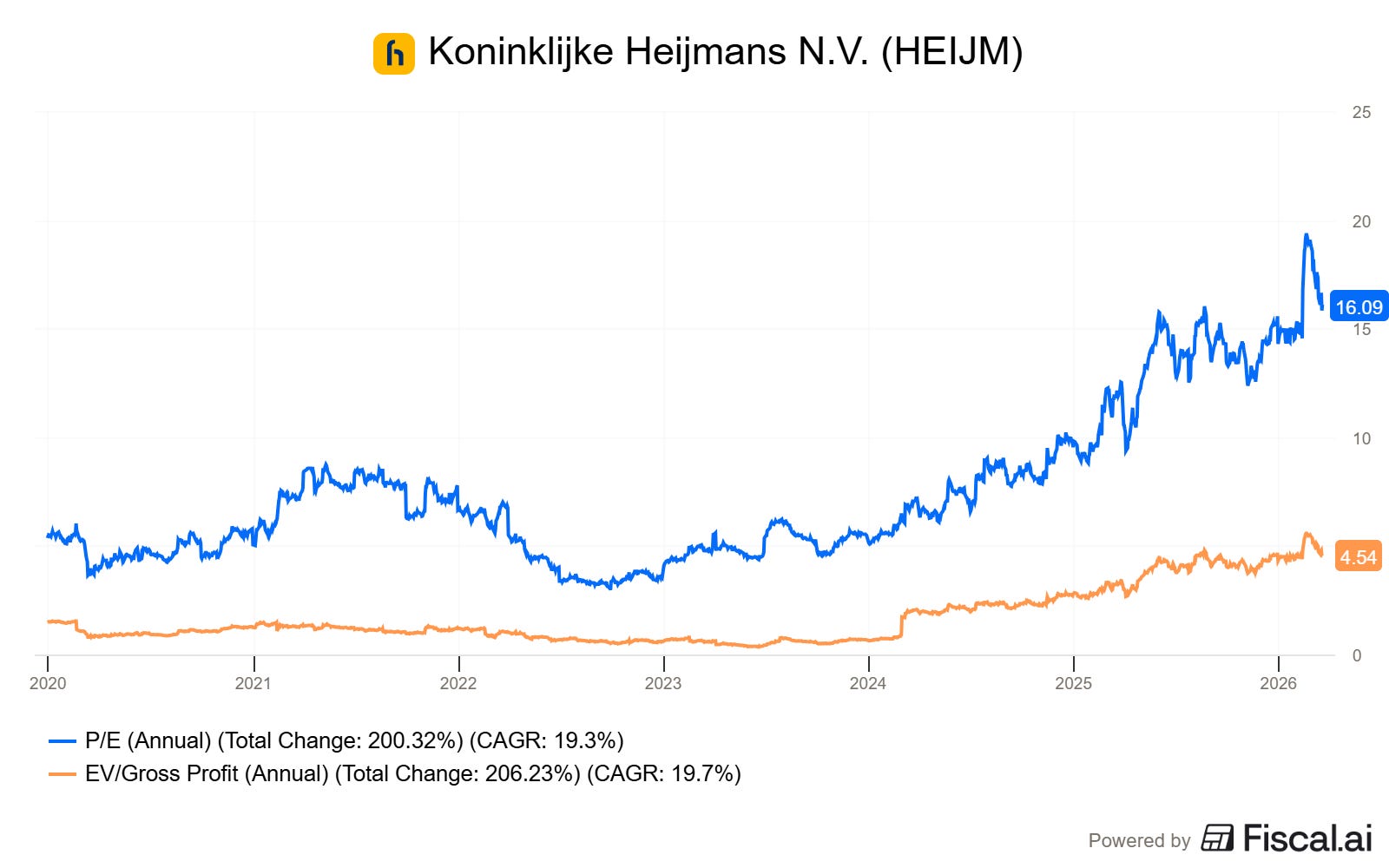
Given this, I’ve sold my last shares. Heijmans went from an overlooked cyclical to a national champion. That kind of rerating doesn’t happen often. And after a, 1073% dollar return, it’s time to celebrate — and reallocate. There’s plenty of other fish in the sea.
Subscribe for more tips like this.
— Deep Value Stocks