
Every now and then, a stock comes along that feels like a textbook case of market inefficiency. It trades quietly, under the radar, with little attention from institutions. The market cap is tiny, the liquidity thin. Most investors don’t even know it exists.
And then — almost out of nowhere — a deal is announced that dwarfs the company’s entire valuation. A deal that, if completed, would hand shareholders a windfall far larger than the business is priced for today.
That’s the exact setup we’re looking at here.
We have a junior lithium explorer, listed in Canada, worth just $73 million at today’s share price. It carries no debt. Yet it is now in the final stretch of closing a transaction worth $180 million in cash.
Let that sink in: a company trading at a fraction of the potential cash it might soon hold.
And here’s the kicker: instead of rallying, the stock dropped 14% yesterday.
The deal in Argentina
The company is Lithium Chile, a junior miner with projects across the lithium triangle in Argentina and Chile.
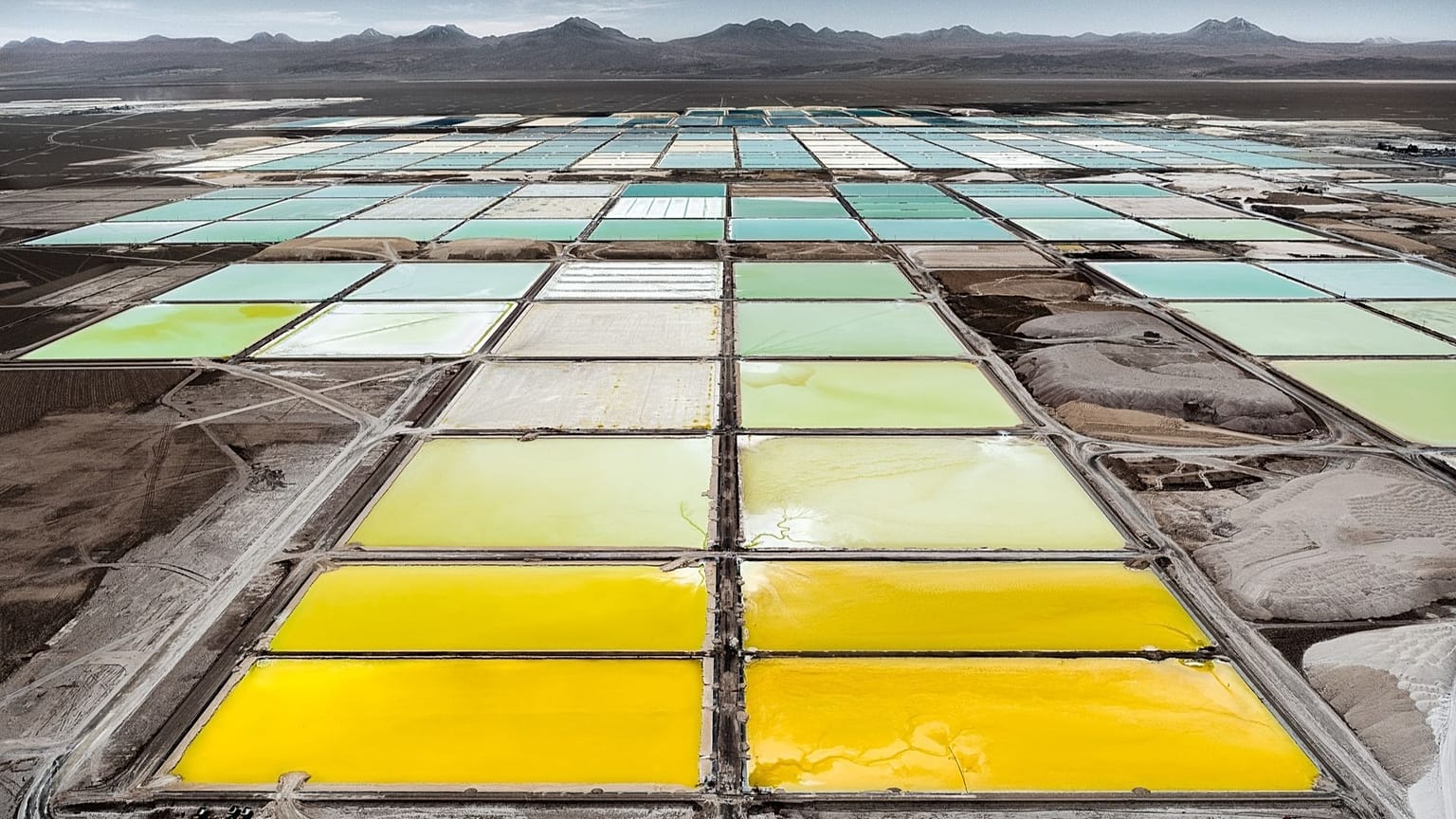
The asset in question is the Arizaro lithium project in Argentina, part of one of the most lithium-rich regions in the world. Arizaro has drawn buyer interest for years, and now a sale looks closer than ever.
According to the latest corporate update, the transaction is essentially ready. All major commercial terms are agreed upon, both parties want to close, and the draft deal has already been sent to the TSX Venture Exchange for regulatory review. The buyer also needs approval from its own local regulator.
In other words: we’re down to the final details. If it all goes through, Lithium Chile will receive $180 million.
That’s more than 2.5x the current market capitalization.
Why the sell-off?
If everything sounds so good, why did the stock crater?
Because in the same breath as the positive news, management announced a C$5 million financing at C$0.50 per share. That’s a mere 5% dilution — insignificant next to the potential deal proceeds — but it spooked the market. Short-term traders bailed, pushing the stock down 14% in a day.
This is a classic case of technical pressure masking fundamental upside. The company needed a bit of working capital to keep operations running while waiting for the deal to close. Rationally, that should not change the long-term story. But markets rarely react rationally in the short term.
The math
Let’s break it down:
Market cap today: $73 million
Debt: zero
Cash proceeds from deal (if closed): $180 million
Net cash post-deal (ignoring minor dilution): well over 2x current market value
Enterprise Value post-deal: essentially negative, since the company would have more cash than market cap
And here’s the kicker: Arizaro is only one of the company’s 15 projects. According to some analysts, it’s not even the most valuable one. That means the $180 million is effectively being unlocked from just a fraction of their portfolio.
The payout potential
Management has already stated that the majority of the proceeds from the Arizaro deal would be returned to shareholders. Some analysts even speculate the company could pay out a 100% dividend.
That means investors aren’t just betting on future growth. They could be looking at an immediate cash return that matches or even exceeds the current share price.
What could go wrong?
Here’s the big caveat: the deal is not yet closed.
The TSX Venture Exchange still needs to provide its feedback.
The buyer’s local regulator must also give official approval.
Governments could still object — especially the Canadian side, which has the power to delay or even block transactions involving strategic resources.
Until all signatures are in place, nothing is guaranteed. And that’s exactly why the market is skeptical: the stock is priced as if the probability of failure is high.
However, management has also pointed out that solutions exist if Canada were to block the deal. One of those options is relocating the company’s corporate headquarters to another jurisdiction, outside Canada’s reach. That flexibility reduces the risk of a total deal collapse and keeps the door open for the transaction — even if politics get in the way.
Bigger picture: why lithium matters
It’s also worth remembering the broader backdrop. Lithium prices have come down from their 2021–2022 peaks, which left many explorers and developers scrambling for capital. That makes cash in the bank worth more than ever.
If this company locks in $180 million, it will have the flexibility to fund operations, advance its other projects, or return capital to shareholders. And with 14 other properties still in the portfolio, investors are not just buying optionality on a single mine — but exposure to an entire pipeline of assets across the lithium triangle.
Bottom line
A $73 million stock on the verge of a $180 million payday.
Zero debt, making the cash proceeds even more impactful.
Arizaro is just one of 15 projects — and not necessarily the crown jewel.
Management has said most of the cash will go back to shareholders, with some speculating about a full 100% dividend.
A 14% sell-off caused by a small financing, not by fundamentals.
But: regulators could still delay or block the deal. Until the ink is dry, the risk is real.
For deep value investors, this is the kind of asymmetric bet worth paying attention to. If the deal closes, the rerating could be swift — and the dividend could be extraordinary.
I put my money where my mouth is. I’m convinced enough that I doubled my position today.